from 0 review
9 Days 8 Nights
Daily Tour
Unlimited
Any Preferred Language
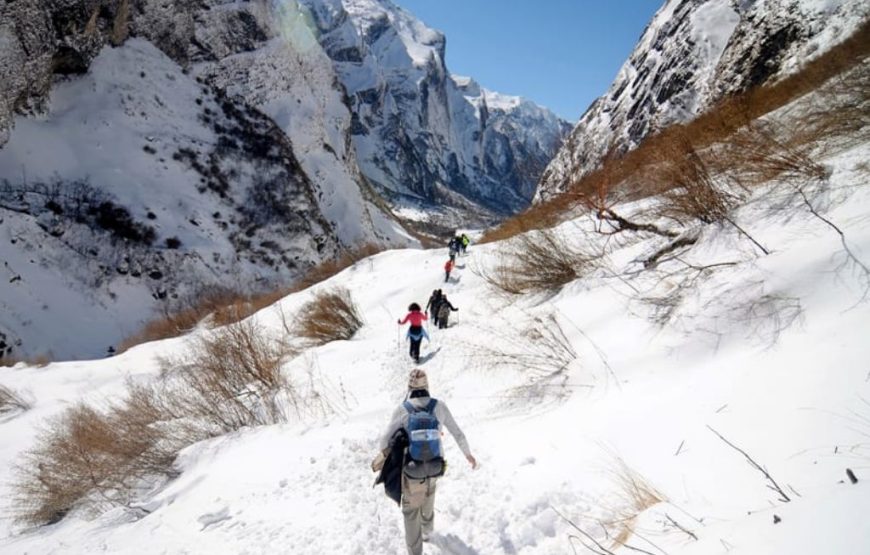
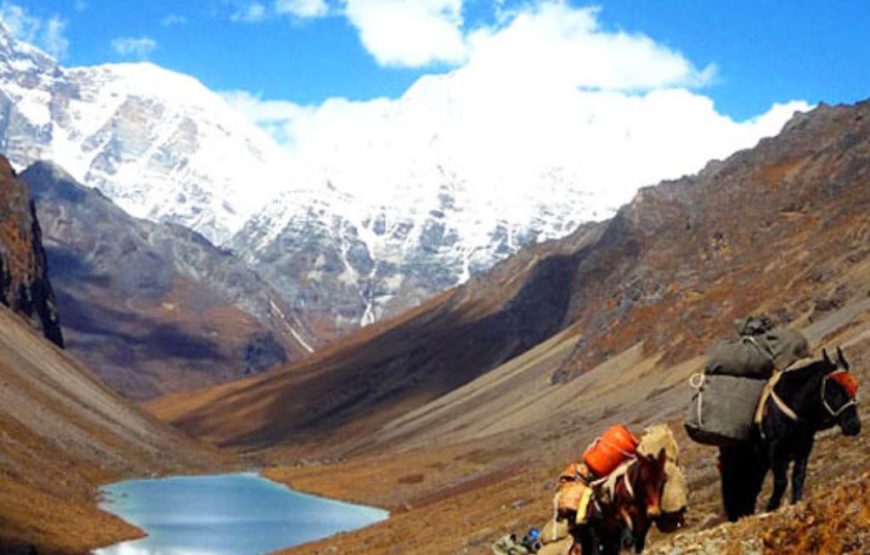
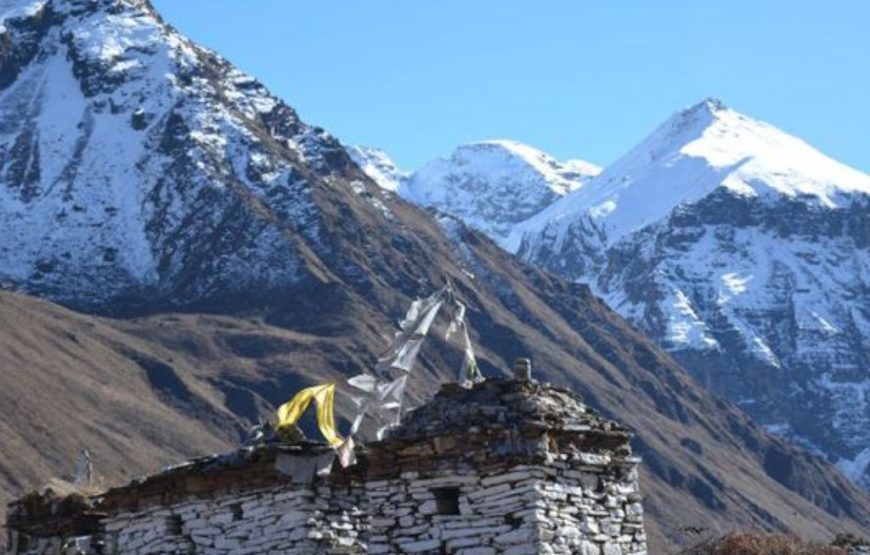
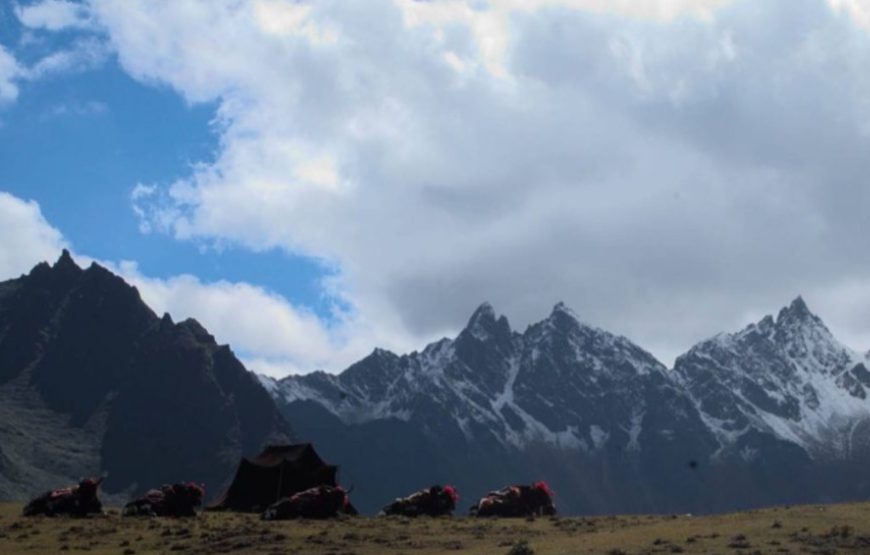
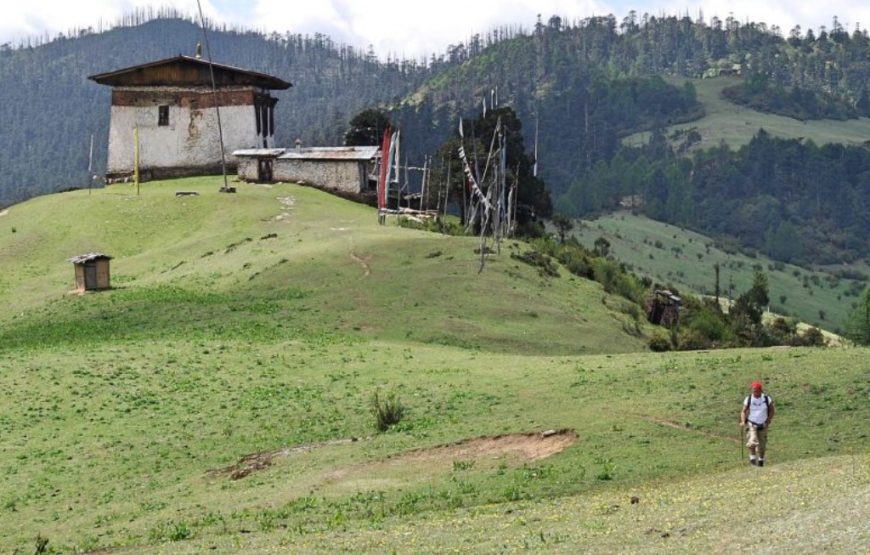
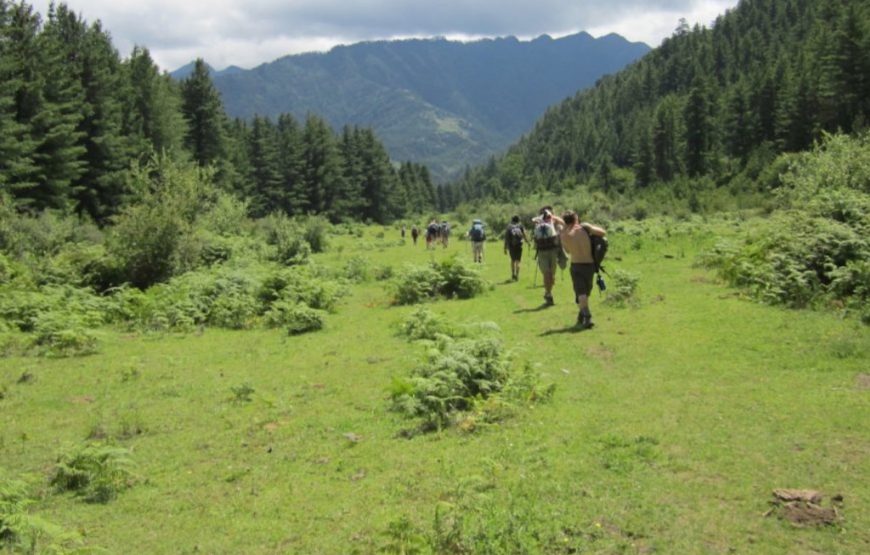
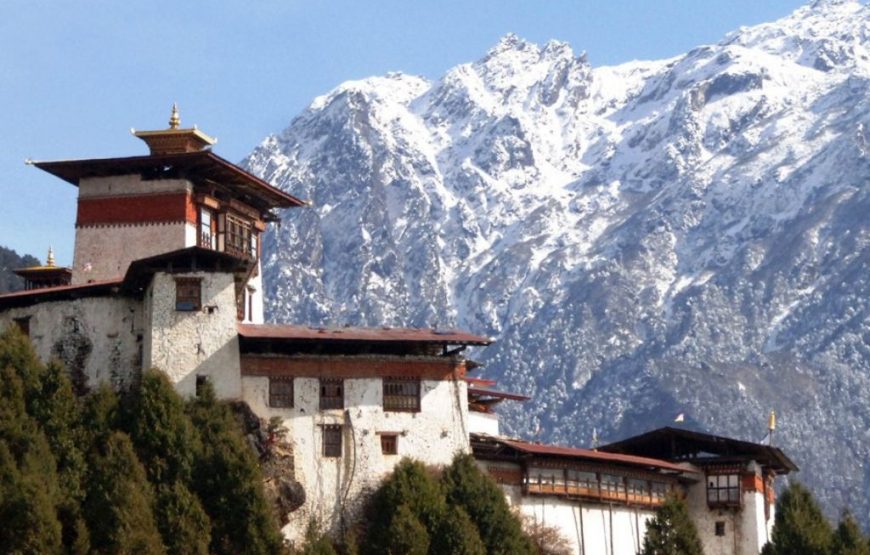
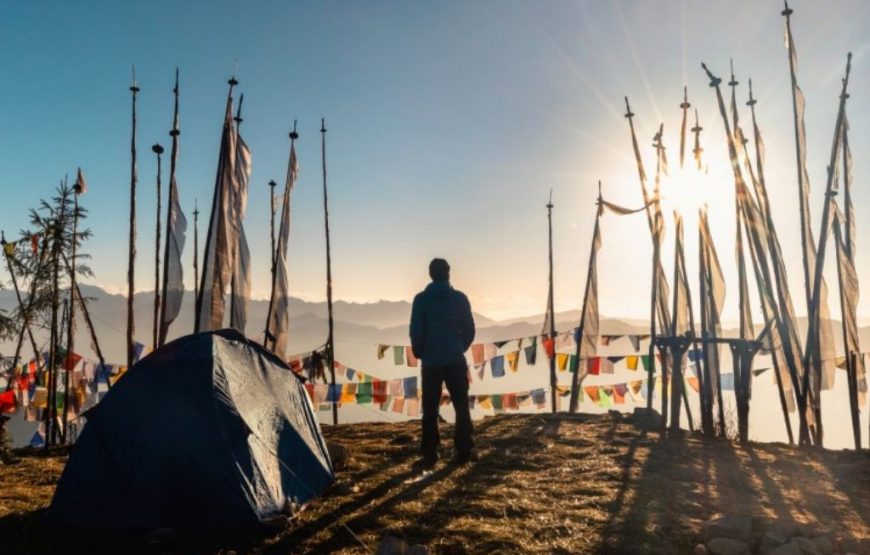
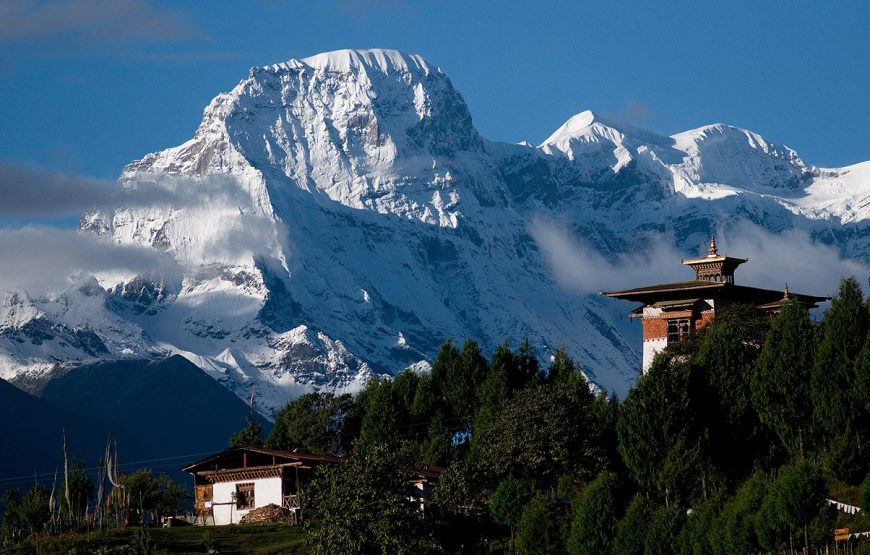
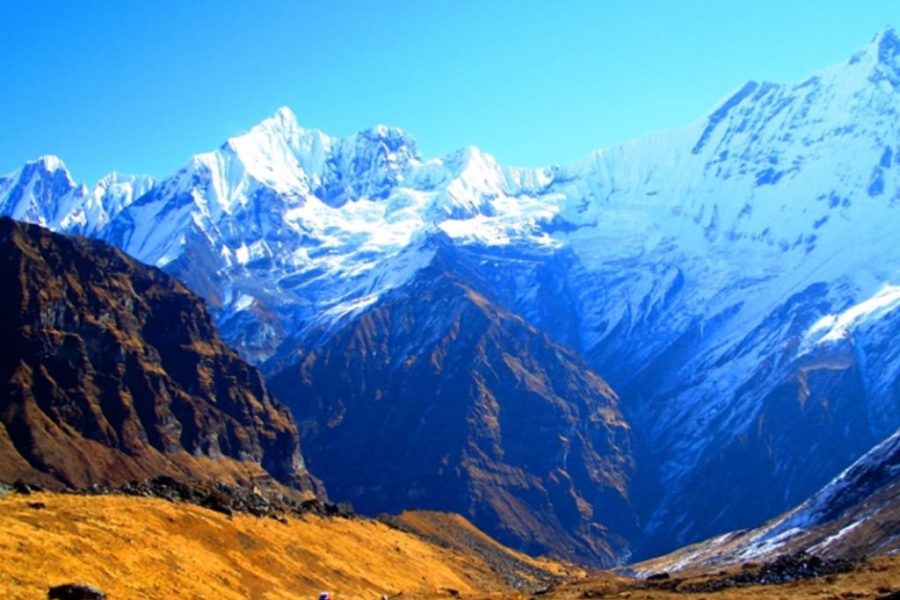
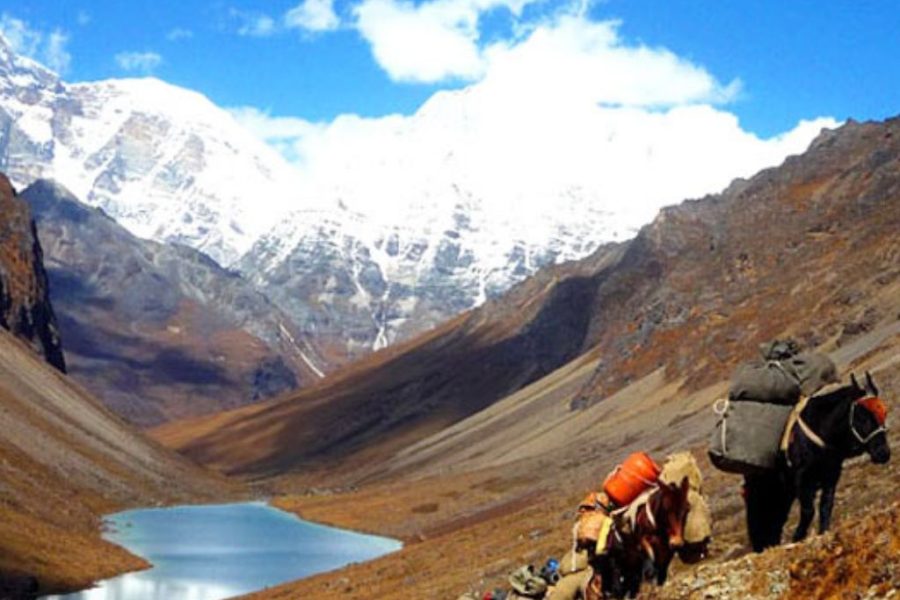
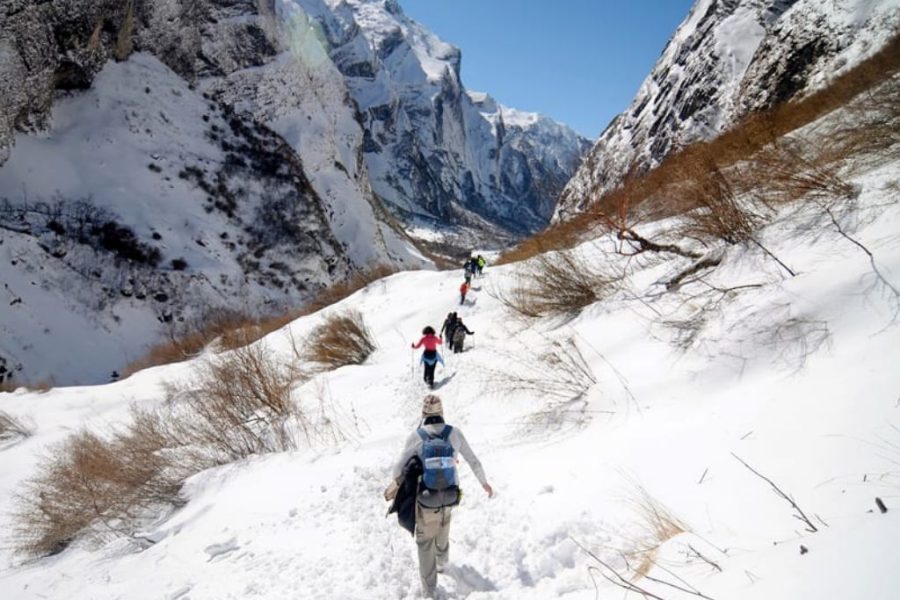
This popular 9-day package offers the perfect blend of adventure and cultural discovery, combining the breathtaking Jumolhari trek with an immersive glimpse into Bhutan’s rich heritage. The journey includes stunning views of Mount Jumolhari from Jangothang and follows the Paro River through lush forests and bamboo groves to the Jomolhari base camp at 4,115 meters. Trekkers also explore Bhutan’s unique form of Tibetan Buddhism with a visit to the iconic Tiger’s Nest Monastery, one of the country’s oldest and most revered spiritual sites. In Thimphu, the itinerary features visits to the National Library to view ancient Buddhist scrolls and the Painting School, where traditional art keeps Bhutanese culture alive, along with other significant sights that offer insight into a civilization long isolated from the rest of the world. Though physically demanding, this trek is deeply rewarding and stands out as one of Bhutan’s most memorable adventures.
Highest Camp: 4,080m
Best Seasons: March to June & September to November
Highlights: Flora, fauna, landscape
Highlights: Flora, fauna, landscape
Highlights: Flora, fauna, landscape, view of Mt Jomolhari
Highlights: Flora, fauna, landscape, views of lakes and snow capped mountains. You could spot blue sheep
Highlights: Flora, fauna, landscape, lakes
Highlights: Flora, fauna, landscape, views of Majrstic mountains
Highlights: Flora (Rhododendron), fauna, landscape, waterfalls
Highlights: Flora (rhododendron, birch, conifer, maples and bamboos), fauna, landscape, Barshong Dzong
Highlights: Flora, fauna and landscape
Bhutan is a year-round destination. There are four seasons: summer (June to August), autumn (September to November), winter (December to February) and spring (March to May). But because of the range of altitudes in the country, and the influence of the north Indian monsoons, the climate is incredibly varied.
In the south, the humid, subtropical climate is fairly consistent year-round, with temperatures between 15oC and 30oC. Central Bhutan, with its temperate forests, has a more seasonal climate, with warm summers and cool, dry winters. The northern regions are much colder during winter. Because of the high altitude, mountain peaks are snowy year-round and the lower reaches remain cool in summer.
In summer, the Indian monsoon season runs from late June or July to late September, mostly affecting the southern regions. Most farming activities take place in the summer, when crops thrive in verdant landscapes.
Autumn, from late September or early October to late November, follows the rainy season. It is characterised by bright, sunny days and some early snowfall at higher elevations. It’s the season of feasts and festivals as farmers reap the fruits of their work.
From late November until March, the crisp, clear and sunny winter sets in, with frost throughout much of the country and snowfall common above elevations of 3,000 metres. The winter northeast monsoon brings gale-force winds at the highest altitudes through high mountain passes, giving Bhutan the name Drukyul, which means Land of the Thunder Dragon in Dzongkha (Bhutan’s national language).
Bhutan’s generally dry spring starts in early March and lasts until mid-April. It is a botanist’s delight, with nature in full bloom. Summer weather commences in mid-April with occasional showers and continues to late June.
If you would like to book completely independently, there are plenty of online resources for inspiration, research and booking – including this website. There are lots of experienced, accredited tour operators that can help you too. Please check our website https://services.bhutan.travel/ for a full list of DOT-certified Tour Operators, hotels and guides.
Our host team is also on hand to help provide you with information as you plan your journey.
The country has one international airport located in Paro. Flights operated by Drukair and Bhutan Airlines arrive and depart from destinations including Bangkok, Delhi, Kolkata, Bagdogra, Bodhgaya, Dhaka, Kathmandu, Guwahati and Singapore. Private jets or charters can fly into Bhutan after obtaining the relevant approvals.
There are also domestic airports in Yonphula in eastern Bhutan, Bumthang in central Bhutan, and Gelephu in south-central Bhutan.
There are no rules about what visitors should wear. However if you are planning to visit places of religious significance, respectful smart-casual clothing that covers your body from shoulders to knees is appropriate and appreciated.