from €0,00
Inquiry

DRUK PATH TREK

Not Rated
Duration

11 Days 10 Nights

Tour Type

Daily Tour

Group Size

Unlimited

Languages

Any Preferred Language

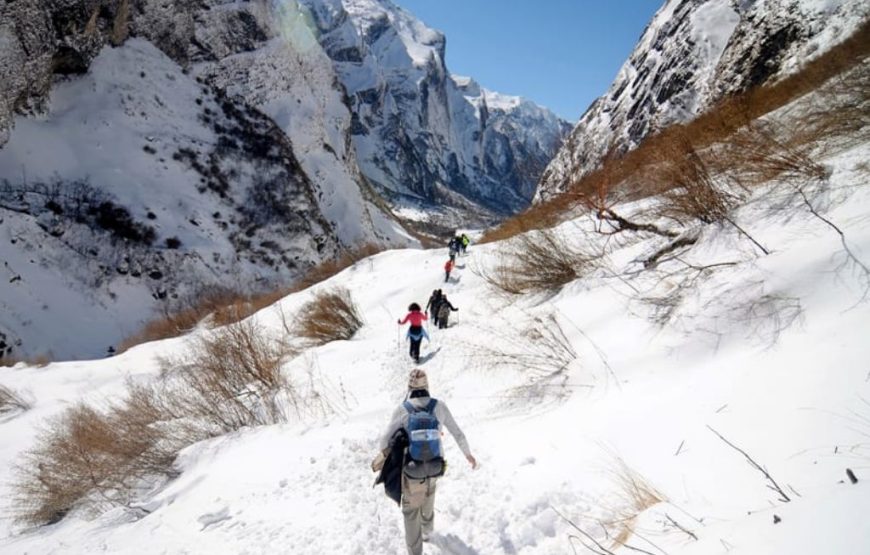
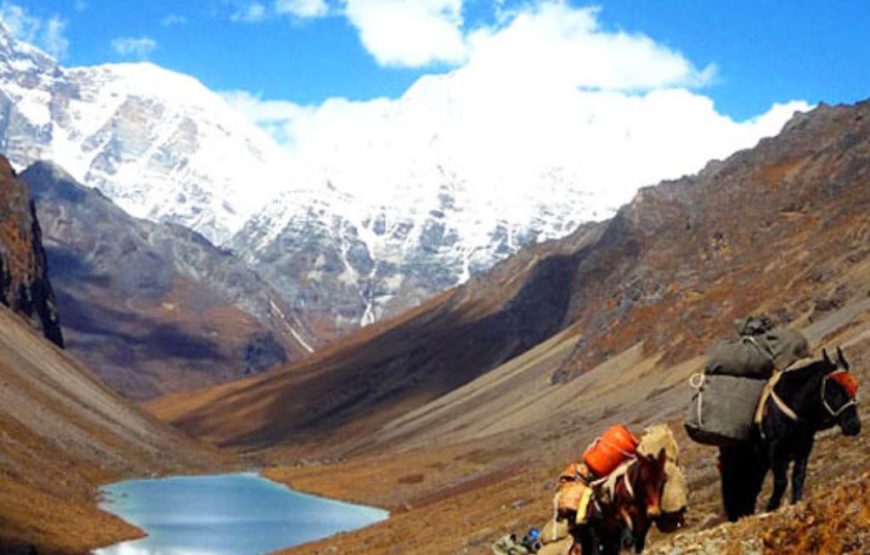
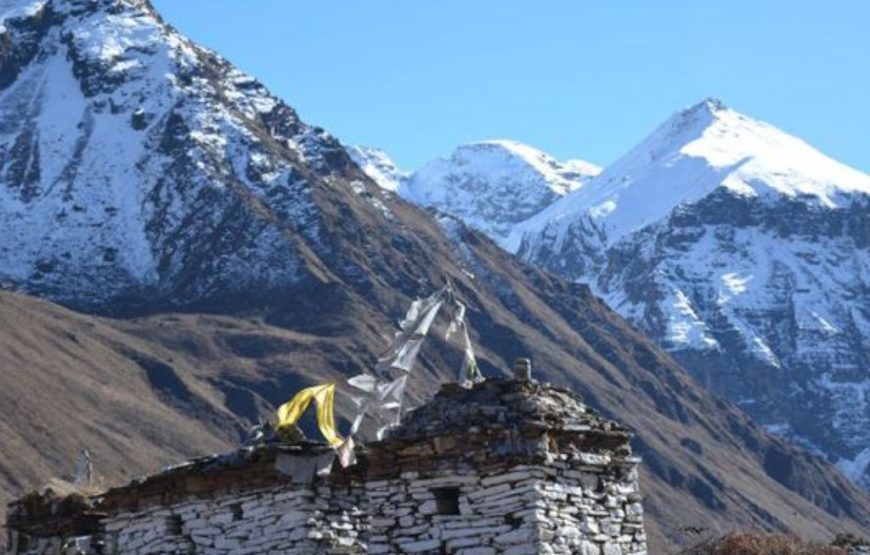
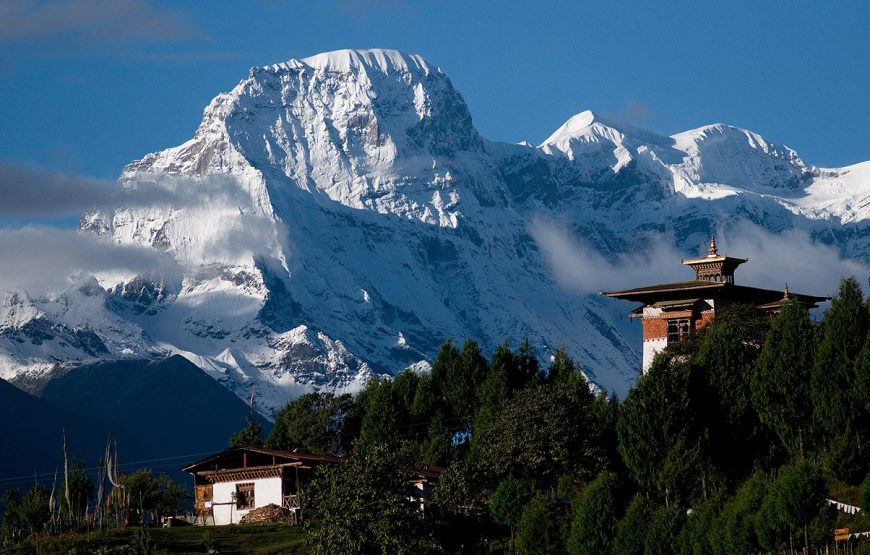
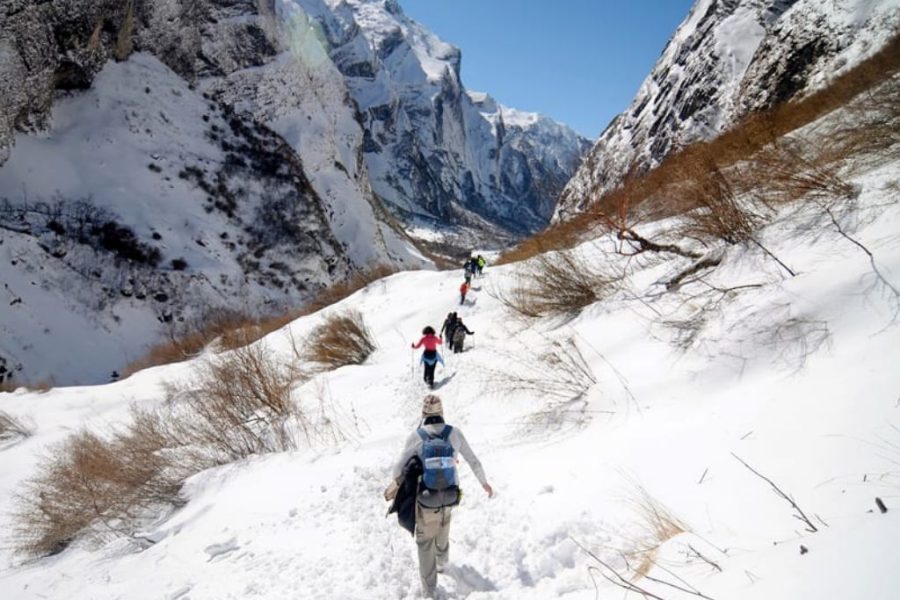
This signature package blends the six-day Druk Path Trek with a cultural tour of Bhutan, offering an ideal way to experience both the country’s natural beauty and rich heritage. Begin with a guided exploration of Paro and a scenic day hike to Tiger’s Nest, one of Bhutan’s most iconic cliff side monasteries. The trek starts near Paro and takes you through stunning alpine landscapes, pine forests, and pristine mountain lakes, with breathtaking views of Gangkar Puensum—the highest unclimbed peak in the world. The route is relatively moderate compared to other treks in Bhutan, with elevations ranging between 2,500 and 4,000 meters (8,000 to 13,000 feet). After completing the trek, visit Thimphu, Bhutan’s capital, and explore Tashichho Dzong, a majestic fortress. The journey concludes with a scenic drive to Punakha via Dochula Pass, which offers panoramic Himalayan views, and a visit to Punakha Dzong, a magnificent monastery and fortress nestled in the valley.

Trip Facts

Trip Duration:11 DAYS

Districts: Paro,Thimphu,Punakha,Wangdue

Accomodation: Hotel,Camp,Resort

Max. Altitude: 4,200m

Entry: Paro

Exit: Paro

Difficulty: Medium

Highlights

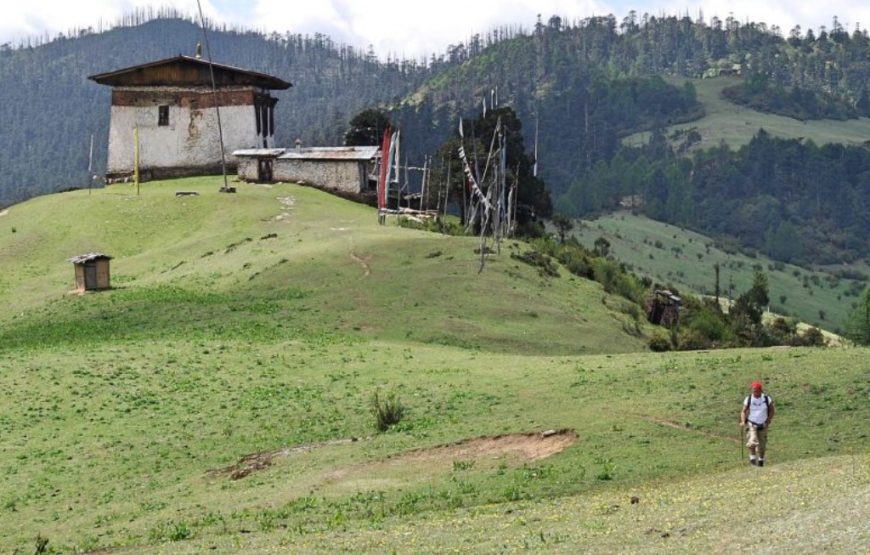
  • If you are looking for a light but equally exciting trek, this is tailor made for you. One of the most popular and easier treks, offering great views of the highlands, landscape, the beautiful lakes and Phajoding monastery, it brings you from Paro to Thimphu.
  • You can blend the trek with glimpses of the Himalayan Kingdom’s most revered sites, such as Paro Taktshang (Tiger’s Lair), Punakha Dzong (Fortress) and others.

Day 01: Bangkok/ Delhi /Katmandu – Paro

  • Arrive at Paro International Airport after having experienced an enthralling flight with peaks of the mighty Himalayas, including Mt Everest greeting you and the plane taking you through the awesome Bhutanese foothills, not to mention the thrilling landing at what is considered one of the most challenging landings.
    Our company’s representative will welcome you at the airport and escort you to the hotel.
  • After lunch at the hotel, begin Paro sightseeing by driving to the National Museum (once a watch tower – Ta Dzong), which has some of the Kingdom’s fascinating collection of art, artifacts, thangkha paintings and Bhutan’s exquisite postage stamps. Then, drive to the massive Rinpung Dzong (Castle on a Heap of Precious Jewels), another historic Bhutanese structure. Later, take a stroll of Paro town.
  • Overnight at Hotel.

Day 02: The Taktsang Experience

  • After breakfast and a 30 minute drive, you begin one of the most exciting sections of your trip, the hike to Taktsang Monastery, The Tiger’s Lair. One of the most revered religious sites in Bhutan and a centre for pilgrimages, the monastery is perched some 1000meters on a cliff, overlooking a valley. Associated with the great Tantric Saint from the 8th century, Guru Padma Sambhava, it is believed that Padmasambhava came riding on a tigress in a fiery and wrathful form and in a cave within the temple subdued the evils who were obstructing the spread of Buddhism. Since then, several Buddhist masters have meditated in and around the monastery. Some have even discovered hidden religious relics.
  • The hike takes about five hours (round trip) and follows an ancient path marked by river powered prayer wheels.
    En-route to the hotel, visit Drugyel Dzong (Castle of the Victorious Drukpa), constructed to mark the victory of Bhutanese forces over the Tibetans in the 17th and 18th centuries. One can see Mt Jomolhari, (7,329 meters) “Mountain of the Goddess” on a clear day from here.
  • You will also visit Kyichu Monastery, a 7th century temple believed to be built on a structure that resembled the left leg of a giant Ogress, by King Songsten Goembo of Tibet. It is one of the oldest monasteries in Paro and the country.
  • Overnight at Hotel.

Day 03: Paro – Jili Dzong

  • (Distance 5 km, 1,090m ascent, camp altitude 3,480m). – Jangchulakha (Distance 10 km, 3hours, 310m ascent, 50m descent, camp altitude 3,770m).
  • Highlights: Flora, fauna, Jili Dzong,
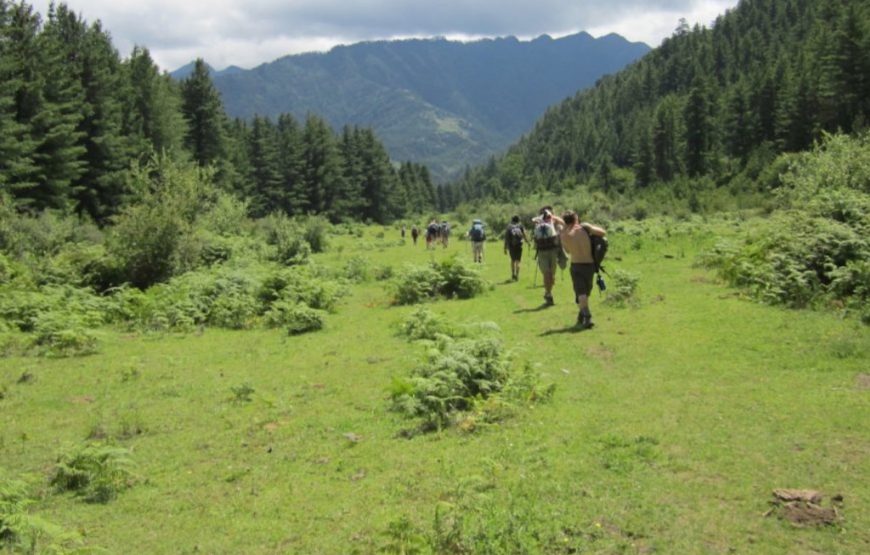
    Your trek begins after a 45 minutes drive. The first day is long and arduous as you have to scale elevations more than 1,000m. It starts with an up-hill climb to a steep ridge, after which the trail leads you through blue pine and fir forests to Damche Gom. Upon arrival at the ridge near Jili Dzong, you will have your lunch.
  • After lunch begins the trek to Jangchulakha(Distance-10 km, four hours, 310m ascent, 50m descent, camp altitude 3,770m). It involves an up-hill climb for about an hour and a half, that continues to ascend.
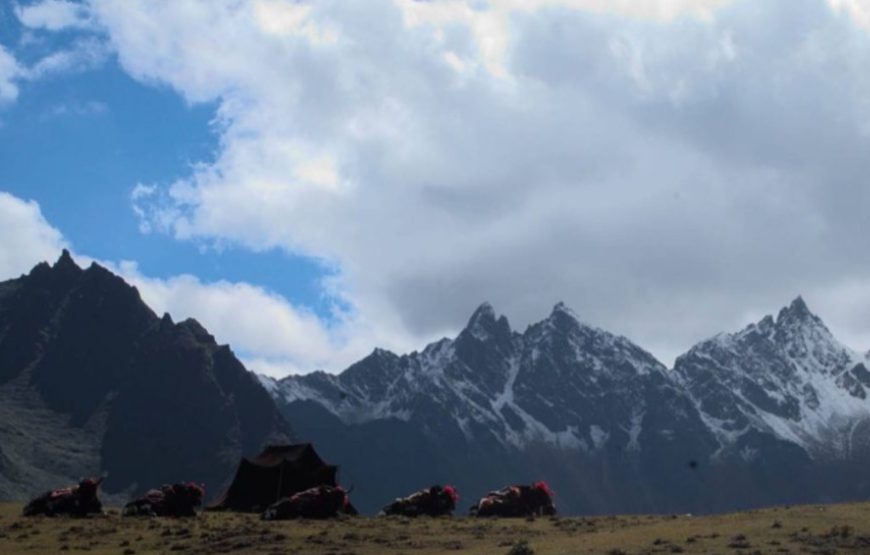
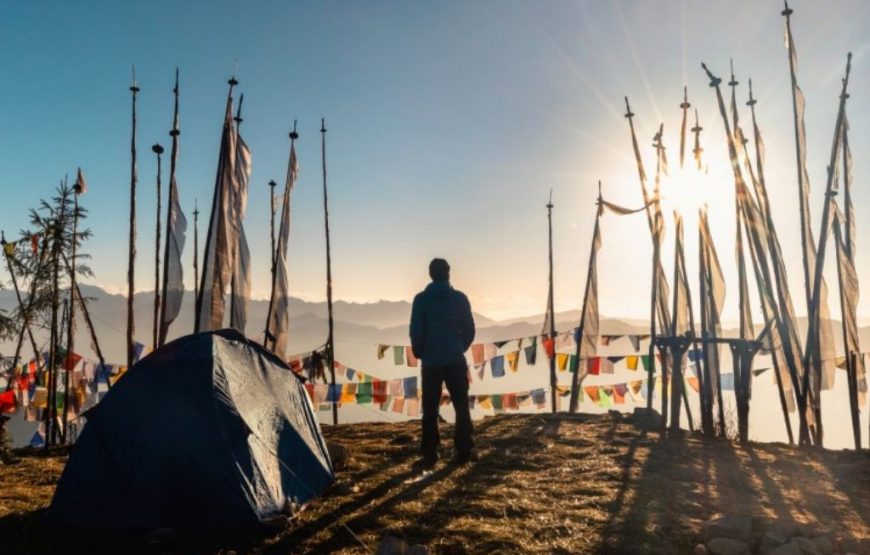
  • You will be taken through thick alpine forest and dwarf rhododendron tress. You may see yaks and yak herders around your campsite.

Day 04: Jangchulakha – Jimilang Tsho

  • (Distance 11 km, four hours, 230m descent, 330m ascent, camp altitude – 3,870m).

Highlights: Landscape, Himalayan Peaks, Fishing
It is a trek that follows the ridge and which, on a clear day offers you an enchanting view of the mountains and valley. You will camp close to Jimilang Tsho (Lake), known for its giant sized trout.

Day 05: Jimilang Tsho – Simkotra Tsho

  • (Distance 11 km, four hours, 820m ascent, 400 m descent, camp altitude 4,110m).

Highlights: Flora, fauna, lakes, landscapes. Involving brief ascents and descents, the trail for the day will take you through dwarf rhododendron trees and Janetso (Lake). You could get a glimpse of a nomad’s life if you come across some yak herder’s camp. The campsite for the night will also be near a lake (Simkotra Tsho )

Day 06:

  • (Distance 10 km, three to four hours, 130m ascent, 680m descent, camp altitude 3,750m).
  • Highlights: View of Mt Gangkar Puensum, Phajoding monastery. Beginning with a gradual climb, the trek for the day is an easy one and from a pass offers you an opportunity to view Mount Gangkar Puensum, the highest mountain in Bhutan and other Himalayan peaks. Once you cross the pass, it is a downhill trek all the way to Phajoding. The camp is above Phajoding.

Day 07: Phajoding – Mothitang

  • (Distance four to five km, three hours, 1,130 m descent). It is a gradual descent through forest carpeted by blue pine all the way to Motithang (Thimphu). Overnight at a hotel in Thimphu.

Day 08:

  • You will discover the beauty of Thimphu and its treasures epitomized in the historic and massive structures such as the largest Buddha Statue at Buddha point, the 12th century Changangkha monastery, Takin zoo, Sangaygang (view point of Thimphu valley,) Handicrafts Emporium, Nunnery and the Memorial Chorten (Stupa).
  • National Memorial Stupa: one of the most beautiful stupas of the Nyingmapa Sect of Buddhism, built in memory of the Father of Modern Bhutan, Third King Jigmi Dorji Wangchuck.
  • Buddha Point: the largest statue of Buddha Shakyamuni. From here you have a spectacular view of Thimphu.
  • Changangkha Lhakhang: Founded by Phajo Drugom Shigpo in the 13th century and later embellished by his son Nyima. Today, the temple is considered the spiritual home of children born in Chang region of Thimphu.
    Other places will be the Takin Zoo, National Handicrafts
    Emporium, Bhutanese local handmade paper factory and
    others.
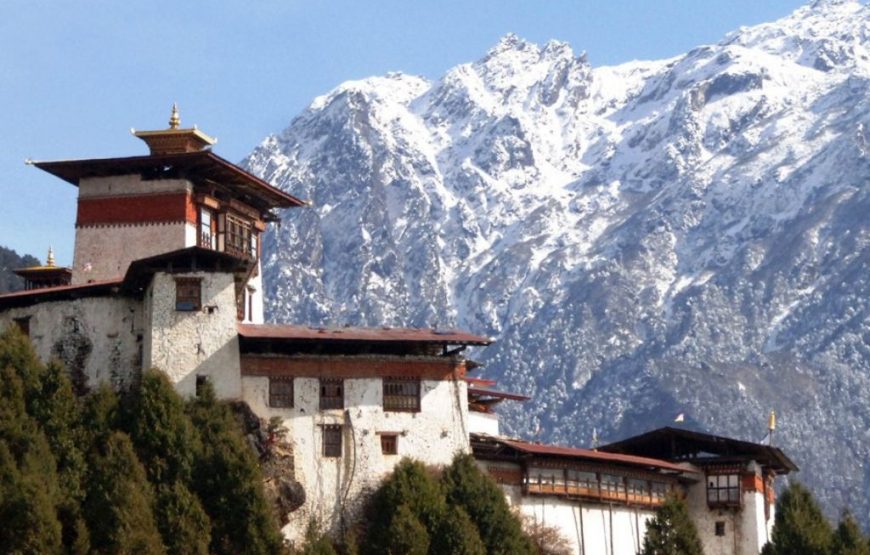
  • In the evening you will visit Tashichhodzong (Fortress): the power centre of Bhutanese government, which houses the King’s office, Throne Room, government ministries and is also the summer residence of the Chief Abbot.
  • We will also take the opportunity to see the nearby parliament complex. We will spend the rest of the day watching an archery match and strolling around town.
  • Halt in hotel.

Day 09: Thimphu – Punakha/ Wangduephodrang

  • The drive till Punakha will take about three to four hours and traverses through beautiful forests composed of rhododendron and fields of dwarf bamboo. The landscape, green meadows, beautiful wildflowers, gushing waterfalls and constantly changing vegetation offers breathtaking scenery.
  • Dochula Pass: About 45 minutes drive from Thimphu, is the Dochula pass (3,100m). From here one will get their first glimpse of the eastern Himalayan ranges, consisting of snow-capped peaks with heights measuring anywhere from 6,000m to 7,554 m. The pass is also exotic in flora and fauna. Apart from this, the spectacular 108 stupas or chortens build around a mound and the Druk Wangyal Lhakhang (Temple) at the pass makes the place a visitor’s delight.
  • Temple of Fertility: The road from the pass descends all the way to Punakha. Before reaching Punakha, you will visit the Temple of Fertility (Chimi Lhakhang), which is an hour hike (round trip) from the road. Associated with Lam Drukpa Kuenley (Divine Madmonk), this 15th century structure is a place where the phallus is worshipped, with barren women from around the world receiving blessings from a phallus.
  • Punakha Dzong: You will then arrive at Punakha Dzong (Fortress), which from far looks like a gigantic ship perched on a mass of water. Punakha served as the capital of Bhutan until 1955 and is home of the Chief Abbot and the central monk body during the winter months. Built in 1637 by Shabdrung Ngawang Namgyal at the confluence of two rivers (Pho-male and Mo-female), the Fortress is the quintessence of Bhutanese architecture and was a hub of ancient Bhutan’s civil and religious life. It houses some of the Kingdom’s most sacred relics in the form of religious antiques.
  • In the afternoon, you will visit Punakha Dzong and then drive for half an hour and hike to the Khamsum yuly chorten.
  • Overnight at hotel in Punakha.

Day 10: Punakha/ Wangduephodrang – Paro

  • In the morning, we will visit Wanduephodrang Dzong (Fortress), which was built in 1638 by the Zhabdrung and tragically gutted by a fire in 2012. We will also take a stroll of Wangdue town.
  • A four hours drive will take us back to Paro, where we will have lunch at a local restaurant. After lunch, we will take a stroll of Paro town and visit a farm house.
  • Overnight at hotel.

Day 11: Paro – Bangkok/Delhi/Katmandu

After breakfast, you will be driven to Paro international Airport for your journey out of Bhutan.

  • Accommodation on twin sharing.
  • Full board meals as stated in the itinerary.
  • All tours and transfers in private coach.
  • English speaking guide.
  • Entrance fee to monument as per the itinerary.
  • Bottle of drinking water during tour on daily basis.
  • Bhutanese Cultural show including Mask dance.
  • Government SDF and other taxes.
  • Transportation.
  • Travel insurance.
  • Beverages.
  • Expenses on personal nature.
  • Tipping for guide and driver.
  • Laundry.

11 Days

Any Preferred Language

Tour's Location

What is the weather like in Bhutan and when is the best time to visit?

Bhutan is a year-round destination. There are four seasons: summer (June to August), autumn (September to November), winter (December to February) and spring (March to May). But because of the range of altitudes in the country, and the influence of the north Indian monsoons, the climate is incredibly varied. 

In the south, the humid, subtropical climate is fairly consistent year-round, with temperatures between 15oC and 30oC. Central Bhutan, with its temperate forests, has a more seasonal climate, with warm summers and cool, dry winters. The northern regions are much colder during winter. Because of the high altitude, mountain peaks are snowy year-round and the lower reaches remain cool in summer. 

In summer, the Indian monsoon season runs from late June or July to late September, mostly affecting the southern regions. Most farming activities take place in the summer, when crops thrive in verdant landscapes.

Autumn, from late September or early October to late November, follows the rainy season. It is characterised by bright, sunny days and some early snowfall at higher elevations. It’s the season of feasts and festivals as farmers reap the fruits of their work.

From late November until March, the crisp, clear and sunny winter sets in, with frost throughout much of the country and snowfall common above elevations of 3,000 metres. The winter northeast monsoon brings gale-force winds at the highest altitudes through high mountain passes, giving Bhutan the name Drukyul, which means Land of the Thunder Dragon in Dzongkha (Bhutan’s national language). 

Bhutan’s generally dry spring starts in early March and lasts until mid-April. It is a botanist’s delight, with nature in full bloom. Summer weather commences in mid-April with occasional showers and continues to late June.

How can I plan my trip to Bhutan?

If you would like to book completely independently, there are plenty of online resources for inspiration, research and booking – including this website. There are lots of experienced, accredited tour operators that can help you too. Please check our website https://services.bhutan.travel/ for a full list of DOT-certified Tour Operators, hotels and guides.

Our host team is also on hand to help provide you with information as you plan your journey.

How do I get to Bhutan?

The country has one international airport located in Paro. Flights operated by Drukair and Bhutan Airlines arrive and depart from destinations including Bangkok, Delhi, Kolkata, Bagdogra, Bodhgaya, Dhaka, Kathmandu, Guwahati and Singapore. Private jets or charters can fly into Bhutan after obtaining the relevant approvals. 

There are also domestic airports in Yonphula in eastern Bhutan, Bumthang in central Bhutan, and Gelephu in south-central Bhutan.

Are there any restrictions on dress?

There are no rules about what visitors should wear. However if you are planning to visit places of religious significance, respectful smart-casual clothing that covers your body from shoulders to knees is appropriate and appreciated.
from €0,00

Inquiry

Information Contact

Email

[email protected]

Website

bestbhutantour.com

Phone

+975 17114510

You might also like